


Celebrate Nutrition Month with simple, evidence-based tips from dietitians to help you “Nourish to Flourish” and build healthier, sustainable eating habits.

Reflections from Dr. Sundeep Banwatt: A call for family doctors to use their everyday voice and leadership to strengthen the healthcare system.
Celebrate Nutrition Month with simple, evidence-based tips from dietitians to help you “Nourish to Flourish” and build healthier, sustainable eating habits.
Reflections from Dr. Sundeep Banwatt: A call for family doctors to use their everyday voice and leadership to strengthen the healthcare system.

Ramadan is the ninth, holiest month in the Islamic calendar, observed by Muslims worldwide – this is a time for spiritual focus, including fasting from dawn to sunset, and connection with yourself and community. During Ramadan, the daily fast is broken with a meal called iftar and begins after a pre-dawn meal called suhoor. Fasting can be spiritually rewarding, and it can also present challenges for the body and our nutrition needs. Having only two main meals each day, different mealtimes, and variations in food and fluid intake can affect digestion, hydration, energy levels, and metabolic health. For people living with chronic conditions like diabetes, fasting during Ramadan can be challenging to manage. Health risks may include hypoglycemia (low blood sugar), hyperglycemia (high blood sugar), dehydration, and fluctuations in glucose levels if not carefully managed. We recognize the importance of supporting our patients and communities during Ramadan. That’s why our Registered Dietitians are hosting three workshops: Ramadan and Healthy Eating (virtual) , Ramadan and Diabetes (virtual) , and an in-person session on Ramadan and Diabetes at ISNA mosque (2200 South Sheridan Way, Mississauga, ON). These sessions are designed to help participating community members make informed food choices, maintain balanced nutrition during fasting hours, understand how meal timing affects metabolism, and safely manage chronic health conditions like diabetes while observing Ramadan. To register for the Ramadan and Diabetes Educational Workshop click here . To register for the Ramadan and Healthy Eating Workshop click here . To learn more about the workshop at the ISNA mosque click here .
Celebrate Nutrition Month with simple, evidence-based tips from dietitians to help you “Nourish to Flourish” and build healthier, sustainable eating habits.
Reflections from Dr. Sundeep Banwatt: A call for family doctors to use their everyday voice and leadership to strengthen the healthcare system.
Ramadan is the ninth, holiest month in the Islamic calendar, observed by Muslims worldwide – this is a time for spiritual focus, including fasting from dawn to sunset, and connection with yourself and community. During Ramadan, the daily fast is broken with a meal called iftar and begins after a pre-dawn meal called suhoor. Fasting can be spiritually rewarding, and it can also present challenges for the body and our nutrition needs. Having only two main meals each day, different mealtimes, and variations in food and fluid intake can affect digestion, hydration, energy levels, and metabolic health. For people living with chronic conditions like diabetes, fasting during Ramadan can be challenging to manage. Health risks may include hypoglycemia (low blood sugar), hyperglycemia (high blood sugar), dehydration, and fluctuations in glucose levels if not carefully managed. We recognize the importance of supporting our patients and communities during Ramadan. That’s why our Registered Dietitians are hosting three workshops: Ramadan and Healthy Eating (virtual) , Ramadan and Diabetes (virtual) , and an in-person session on Ramadan and Diabetes at ISNA mosque (2200 South Sheridan Way, Mississauga, ON). These sessions are designed to help participating community members make informed food choices, maintain balanced nutrition during fasting hours, understand how meal timing affects metabolism, and safely manage chronic health conditions like diabetes while observing Ramadan. To register for the Ramadan and Diabetes Educational Workshop click here . To register for the Ramadan and Healthy Eating Workshop click here . To learn more about the workshop at the ISNA mosque click here .
Reflections from Dr. Sundeep Banwatt: A call for family doctors to use their everyday voice and leadership to strengthen the healthcare system.
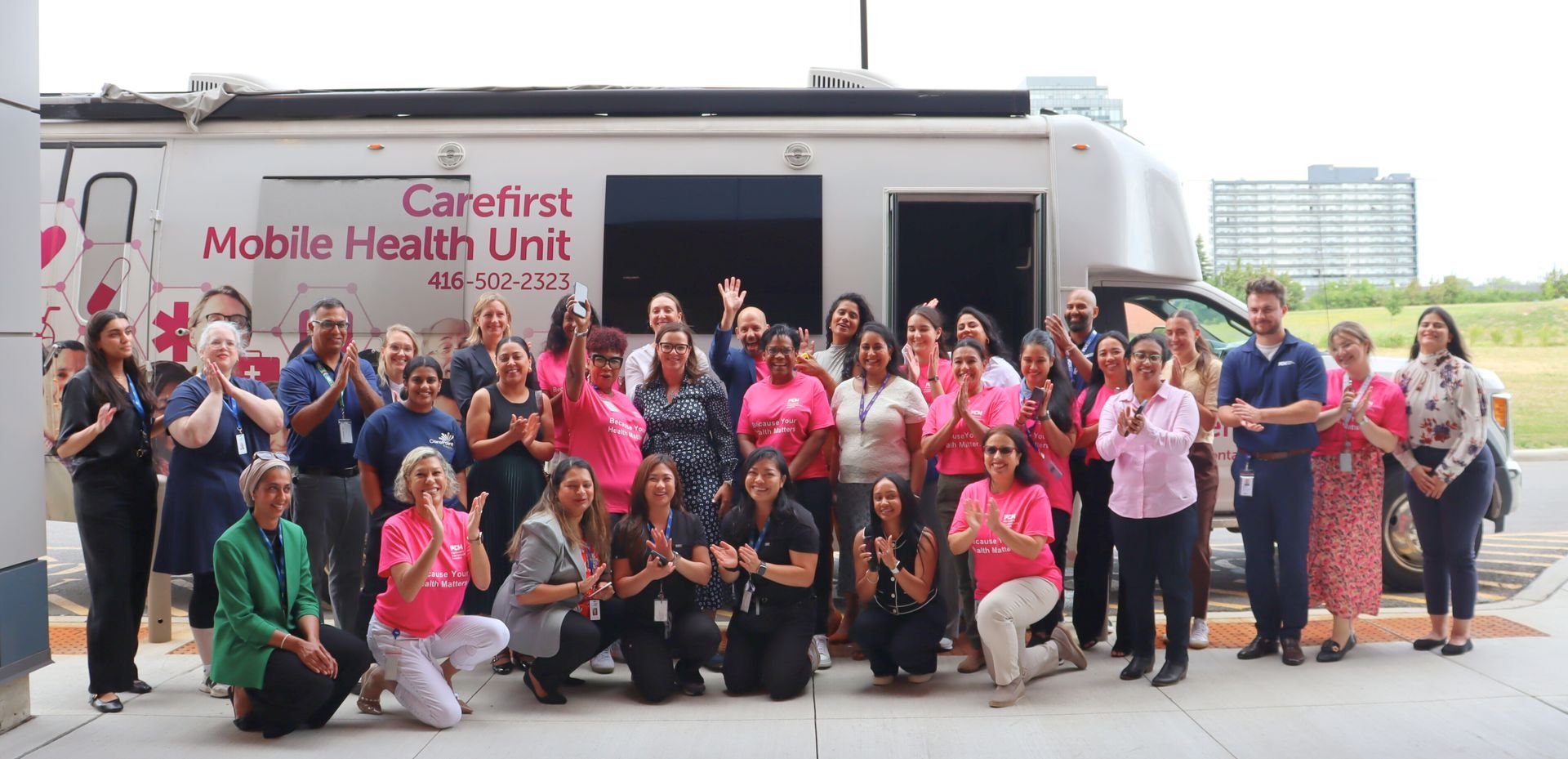
This past summer, CarePoint Health was proud to partner with Mississauga Health and CareFirst Ontario on the launch of the mobile cancer screening bus at three events across Mississauga, bringing vital preventive health services directly to the community. Our nurse practitioners led education and screening for breast, cervical, and colorectal cancer in a private, mobile vehicle. Community and healthcare staff were able to receive care in a comfortable and safe space. One of the events in partnership with Partners Community Health (PCH), welcomed the Honourable Natalia Kusendova-Bashta, Minister of Long-Term Care, who toured the mobile unit and met with our nurses and Dr. Sundeep Banwatt, Clinical Director, to discuss the importance of early detection for frontline staff. “By bringing these essential services directly to where people work and live, we're removing barriers to preventive care and empowering individuals to take charge of their health,” explains Andrew Bilton, Executive Director, CarePoint Health. “A partnership like this represents our ongoing commitment to innovative, community-centered healthcare delivery." Over the course of the day, over 20 staff from PCH attended screening appointments and learned about cancer prevention, while many more stopped by to access education and resources from community partners. To learn more about our cancer screening services click here .

In honour of Indigenous History Month and Indigenous Peoples Day, we spoke with Karry Anne, OSP Indigenous Lead, about her role and the significance of this month.
Reflections from Dr. Sundeep Banwatt: A call for family doctors to use their everyday voice and leadership to strengthen the healthcare system.
This past summer, CarePoint Health was proud to partner with Mississauga Health and CareFirst Ontario on the launch of the mobile cancer screening bus at three events across Mississauga, bringing vital preventive health services directly to the community. Our nurse practitioners led education and screening for breast, cervical, and colorectal cancer in a private, mobile vehicle. Community and healthcare staff were able to receive care in a comfortable and safe space. One of the events in partnership with Partners Community Health (PCH), welcomed the Honourable Natalia Kusendova-Bashta, Minister of Long-Term Care, who toured the mobile unit and met with our nurses and Dr. Sundeep Banwatt, Clinical Director, to discuss the importance of early detection for frontline staff. “By bringing these essential services directly to where people work and live, we're removing barriers to preventive care and empowering individuals to take charge of their health,” explains Andrew Bilton, Executive Director, CarePoint Health. “A partnership like this represents our ongoing commitment to innovative, community-centered healthcare delivery." Over the course of the day, over 20 staff from PCH attended screening appointments and learned about cancer prevention, while many more stopped by to access education and resources from community partners. To learn more about our cancer screening services click here .
In honour of Indigenous History Month and Indigenous Peoples Day, we spoke with Karry Anne, OSP Indigenous Lead, about her role and the significance of this month.
Reflections from Dr. Sundeep Banwatt: A call for family doctors to use their everyday voice and leadership to strengthen the healthcare system.
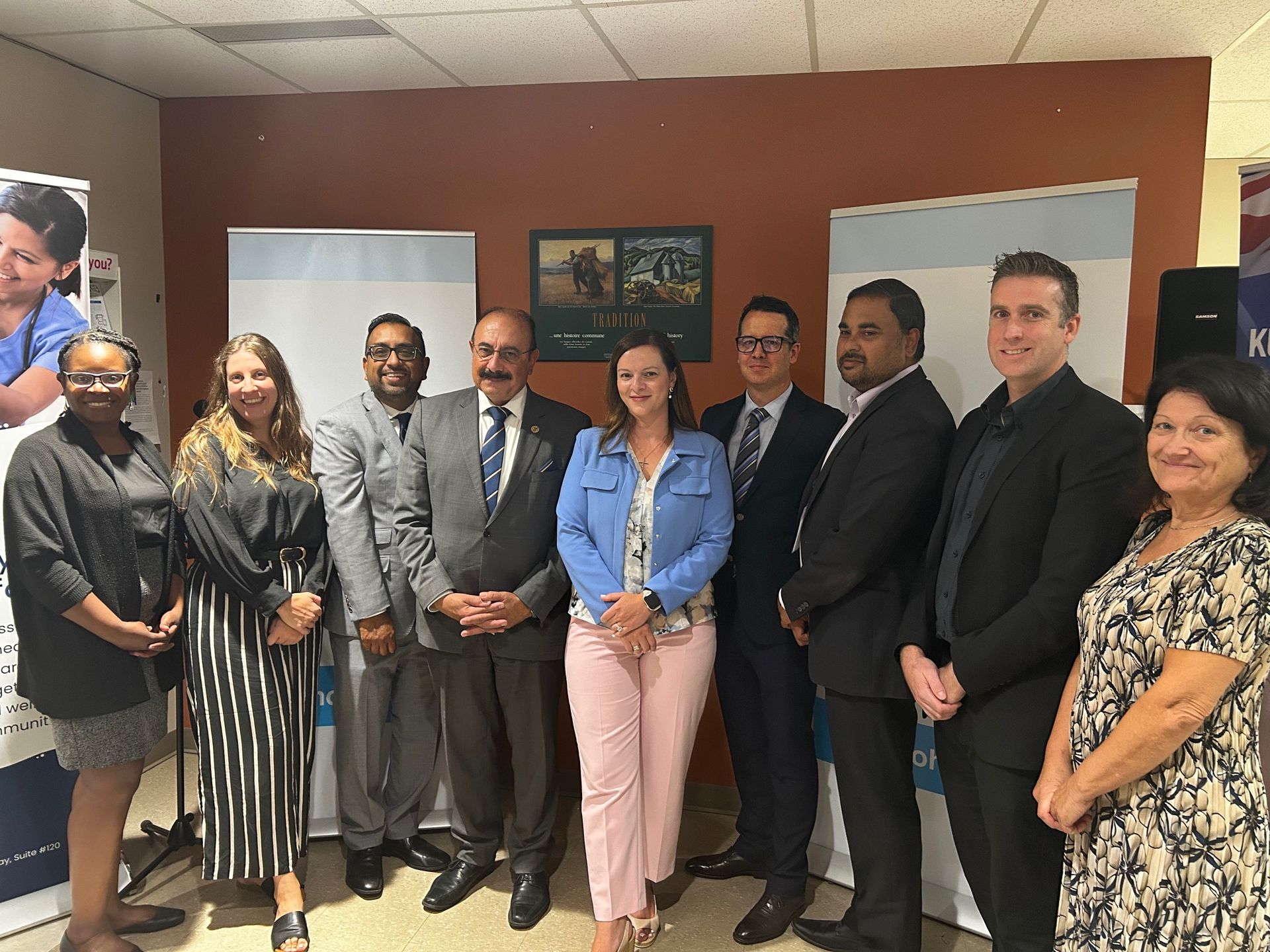
On Thursday, September 3, 2025, Minister Natalia Kusendova and MPP Sheref Sabawy announced $5.1 million in new provincial funding to expand access to family doctors and primary care teams across our community. This funding will help connect up to 12,800 more Mississauga residents to the care they need. It brings the Province one step closer to ensuring that all Ontarians have access to a primary care provider by 2029. In collaboration with our incredible partners – Mississauga Health, Credit Valley Family Health Team, Summerville Family Health Team, and LAMP Community Health Centre – we are better supporting the health and wellness of our community. This is being achieved through the expansion of team-based primary care across Mississauga, working with Community Ambassadors to engage underserved and diverse communities, and using CarePoint Connects to match patients with available providers. This a meaningful step toward ensuring everyone in Mississauga has access to timely, comprehensive primary care. Collaboration is at the core of everything we do. We're grateful to our partners and the Province for their support in making this possible. We look forward to creating a well-connected and healthier future for all.
Walking through our clinic on open house day brought a unique energy that's difficult to describe.
Reflections from Dr. Sundeep Banwatt: A call for family doctors to use their everyday voice and leadership to strengthen the healthcare system.
On Thursday, September 3, 2025, Minister Natalia Kusendova and MPP Sheref Sabawy announced $5.1 million in new provincial funding to expand access to family doctors and primary care teams across our community. This funding will help connect up to 12,800 more Mississauga residents to the care they need. It brings the Province one step closer to ensuring that all Ontarians have access to a primary care provider by 2029. In collaboration with our incredible partners – Mississauga Health, Credit Valley Family Health Team, Summerville Family Health Team, and LAMP Community Health Centre – we are better supporting the health and wellness of our community. This is being achieved through the expansion of team-based primary care across Mississauga, working with Community Ambassadors to engage underserved and diverse communities, and using CarePoint Connects to match patients with available providers. This a meaningful step toward ensuring everyone in Mississauga has access to timely, comprehensive primary care. Collaboration is at the core of everything we do. We're grateful to our partners and the Province for their support in making this possible. We look forward to creating a well-connected and healthier future for all.
Walking through our clinic on open house day brought a unique energy that's difficult to describe.
Reflections from Dr. Sundeep Banwatt: A call for family doctors to use their everyday voice and leadership to strengthen the healthcare system.

What are some tips on managing blood sugar levels during work hours? Tip #1 : Many people have regular office jobs that require them to sit for long periods. A simple ten-minute walk around the office or using the stairs can help manage blood glucose. Try to keep a pair of walking shoes with you and seek out opportunities to increase movement. Simple things like parking a bit further to get a few extra steps can make a difference. Tip #2 : Meal prepping before work can also be helpful. You can keep your work lunches and snacks simple and easy. Having something ready to grab and go before you leave for work will help avoid the need to grab lunch from a fast-food place when it’s time to eat. You also have more control over the food/ingredients you eat when you make it yourself. Tip #3 : Keeping snacks close by will also help prevent blood sugar levels from going low on long days or at physically demanding jobs. And never forget hydration – water not only helps keep you full, but can aid with thirst, a common challenge for those living with diabetes. How can employees participate in work potlucks and still feel included? If you find yourself going out with colleagues for lunch or have a work potluck, try to pick meals that are high in protein and packed with veggies. Always remember to be wise about portion sizing; moderation is key. It’s also best to pick foods that are grilled, baked, or lightly sauteed instead of those cooked in heavy oils. Tip: Don't Arrive Hungry: Eat a small, balanced snack with protein and fiber (e.g., apple and nut/seed butter) about an hour before the event. This prevents you from overeating high-carb foods immediately. After a meal, go for a short walk to help the food digest. This is a great physical and social exercise. Remember – work events don’t always have to focus on food and drinks – it’s also an opportunity to enjoy the company of your colleagues. What steps can you take to create a supportive and inclusive environment? It’s important to help normalize conversations around chronic conditions like diabetes. If you’re comfortable, speaking to your manager or coworkers about your health needs can help others understand your situation. If you’re in a leadership position, giving people the space to discuss health accommodations without fear or judgment creates safe spaces for everyone. --- If you’d like to have better control of your diabetes and don’t have a family doctor, reach out to us for support. CarePoint Health is an interprofessional care team of primary care physicians and allied health professionals working together to improve the health and wellness of the Mississauga community.

October 10th is World Mental Health Day – a powerful reminder that taking care of your mental health has never been more important. Whether you’re navigating stress, anxiety, or just not feeling like yourself, this day is about more than awareness – it’s about breaking stigmas, sharing support, and reminding each other that no one has to struggle alone. If you’re new to this journey, it can feel overwhelming when you’re figuring out where to start. To help you or someone you care about, we sat down with Andrea, a psychologist and clinical and equity consultant for the OSP program at CarePoint Health , to understand ‘ Where do I begin ?’ when reaching out for help. Common signs Mental health symptoms don’t always look the same for everyone. There are common signs, such as persistent feelings of sadness, anxiety, and irritability, that can impact your daily life. Other signs, such as changes in sleep, unhealthy coping strategies such as substance abuse or even overworking, isolating, or self-harming, can also occur. Where can I begin? We recommend speaking to your family doctor first, so that they can understand your experience and connect you with options in your community. If you don’t have a family doctor or want to start this journey on your own, you can reach out to us for support. We have trained and understanding coaches and therapists who can help you virtually, over the phone, or in person. They can even work around busy schedules through online support, check-in calls, and video conferencing. It’s important that you feel supported, no matter where you are. Benefits of our mental health program Support for sadness, anxiety, and fears Open to all adults 18+ in Ontario Free of charge No referral or health card required Learn real strategies at your pace Different needs, different speeds Everyone has different needs and requires different levels of support. Our assessment clinicians can help explain the different services we offer and match you to the support that best fits your needs. Our intake process is key because it helps us learn more about you, your goals, and which service will best fit your lifestyle (e.g., student vs. working parent). Our goal is to help you feel supported and gain lifelong skills. Your progress is important, which is why we do check-ins and closely monitor how you feel. Based on your needs, if you require more or less support, you can move between different services within the program – this includes both individual and group therapy. What to expect It’s completely normal to feel nervous before your first session which is typically an intake session — the unknown can be intimidating. There is a basic and standard routine at the start, and can include the following: Your intake clinician will explain their background, approach, and confidentiality policy. Expect lots of questions about your history, current concerns, and goals. You’ll collaborate to create a personalized treatment plan. You might get tasks to do outside of session — like reflecting on goals, tracking symptoms, or completing worksheets. Remember, the first session is just the beginning. It’s okay to take your time to open up and build trust. It’s okay to ask for help There is still a lot of stigma around mental health, and people might feel embarrassed or brush off their problems, “as no big deal.” Everyone has their own lived experience in life, and if your mental health is impacting your day-to-day life, it’s important to seek help. Keep in mind that seeking support is a personal choice. If someone you care about could benefit from support, help share education on the available resources. Caring for yourself isn’t about doing everything. It can be as simple as asking for help. Additional Resources: Free mental health program (Brampton, Halton, Mississauga) 9-8-8: Suicide Crisis Helpline Punjabi Community Health Services (Sahara Mental Health Program) The Indigenous Network Black Health & Social Services Hub Peel
Reflections from Dr. Sundeep Banwatt: A call for family doctors to use their everyday voice and leadership to strengthen the healthcare system.
What are some tips on managing blood sugar levels during work hours? Tip #1 : Many people have regular office jobs that require them to sit for long periods. A simple ten-minute walk around the office or using the stairs can help manage blood glucose. Try to keep a pair of walking shoes with you and seek out opportunities to increase movement. Simple things like parking a bit further to get a few extra steps can make a difference. Tip #2 : Meal prepping before work can also be helpful. You can keep your work lunches and snacks simple and easy. Having something ready to grab and go before you leave for work will help avoid the need to grab lunch from a fast-food place when it’s time to eat. You also have more control over the food/ingredients you eat when you make it yourself. Tip #3 : Keeping snacks close by will also help prevent blood sugar levels from going low on long days or at physically demanding jobs. And never forget hydration – water not only helps keep you full, but can aid with thirst, a common challenge for those living with diabetes. How can employees participate in work potlucks and still feel included? If you find yourself going out with colleagues for lunch or have a work potluck, try to pick meals that are high in protein and packed with veggies. Always remember to be wise about portion sizing; moderation is key. It’s also best to pick foods that are grilled, baked, or lightly sauteed instead of those cooked in heavy oils. Tip: Don't Arrive Hungry: Eat a small, balanced snack with protein and fiber (e.g., apple and nut/seed butter) about an hour before the event. This prevents you from overeating high-carb foods immediately. After a meal, go for a short walk to help the food digest. This is a great physical and social exercise. Remember – work events don’t always have to focus on food and drinks – it’s also an opportunity to enjoy the company of your colleagues. What steps can you take to create a supportive and inclusive environment? It’s important to help normalize conversations around chronic conditions like diabetes. If you’re comfortable, speaking to your manager or coworkers about your health needs can help others understand your situation. If you’re in a leadership position, giving people the space to discuss health accommodations without fear or judgment creates safe spaces for everyone. --- If you’d like to have better control of your diabetes and don’t have a family doctor, reach out to us for support. CarePoint Health is an interprofessional care team of primary care physicians and allied health professionals working together to improve the health and wellness of the Mississauga community.
October 10th is World Mental Health Day – a powerful reminder that taking care of your mental health has never been more important. Whether you’re navigating stress, anxiety, or just not feeling like yourself, this day is about more than awareness – it’s about breaking stigmas, sharing support, and reminding each other that no one has to struggle alone. If you’re new to this journey, it can feel overwhelming when you’re figuring out where to start. To help you or someone you care about, we sat down with Andrea, a psychologist and clinical and equity consultant for the OSP program at CarePoint Health , to understand ‘ Where do I begin ?’ when reaching out for help. Common signs Mental health symptoms don’t always look the same for everyone. There are common signs, such as persistent feelings of sadness, anxiety, and irritability, that can impact your daily life. Other signs, such as changes in sleep, unhealthy coping strategies such as substance abuse or even overworking, isolating, or self-harming, can also occur. Where can I begin? We recommend speaking to your family doctor first, so that they can understand your experience and connect you with options in your community. If you don’t have a family doctor or want to start this journey on your own, you can reach out to us for support. We have trained and understanding coaches and therapists who can help you virtually, over the phone, or in person. They can even work around busy schedules through online support, check-in calls, and video conferencing. It’s important that you feel supported, no matter where you are. Benefits of our mental health program Support for sadness, anxiety, and fears Open to all adults 18+ in Ontario Free of charge No referral or health card required Learn real strategies at your pace Different needs, different speeds Everyone has different needs and requires different levels of support. Our assessment clinicians can help explain the different services we offer and match you to the support that best fits your needs. Our intake process is key because it helps us learn more about you, your goals, and which service will best fit your lifestyle (e.g., student vs. working parent). Our goal is to help you feel supported and gain lifelong skills. Your progress is important, which is why we do check-ins and closely monitor how you feel. Based on your needs, if you require more or less support, you can move between different services within the program – this includes both individual and group therapy. What to expect It’s completely normal to feel nervous before your first session which is typically an intake session — the unknown can be intimidating. There is a basic and standard routine at the start, and can include the following: Your intake clinician will explain their background, approach, and confidentiality policy. Expect lots of questions about your history, current concerns, and goals. You’ll collaborate to create a personalized treatment plan. You might get tasks to do outside of session — like reflecting on goals, tracking symptoms, or completing worksheets. Remember, the first session is just the beginning. It’s okay to take your time to open up and build trust. It’s okay to ask for help There is still a lot of stigma around mental health, and people might feel embarrassed or brush off their problems, “as no big deal.” Everyone has their own lived experience in life, and if your mental health is impacting your day-to-day life, it’s important to seek help. Keep in mind that seeking support is a personal choice. If someone you care about could benefit from support, help share education on the available resources. Caring for yourself isn’t about doing everything. It can be as simple as asking for help. Additional Resources: Free mental health program (Brampton, Halton, Mississauga) 9-8-8: Suicide Crisis Helpline Punjabi Community Health Services (Sahara Mental Health Program) The Indigenous Network Black Health & Social Services Hub Peel


